
Management of Fibroids, Endometriosis, Menstrual Problems & Adenomyosis
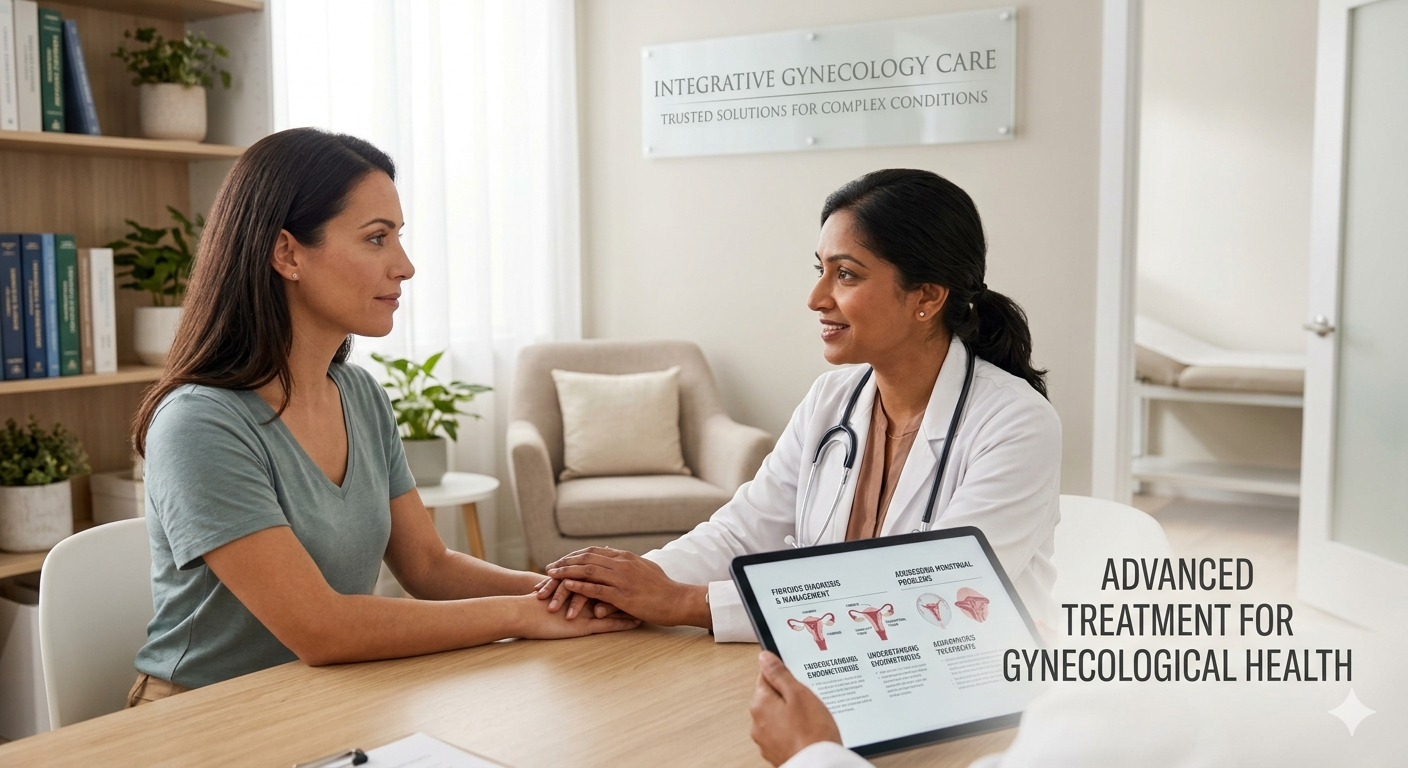
Women often experience gynecological conditions that can significantly affect their physical health, emotional well-being, fertility, and quality of life. Conditions such as fibroids, endometriosis, adenomyosis, and menstrual disorders are among the most common reasons women seek gynecological care. Early diagnosis and timely treatment can help control symptoms, prevent complications, and improve overall reproductive health.
At Dr. Rachana Agarwal, comprehensive evaluation and personalized treatment plans are offered using advanced medical management and minimally invasive surgical techniques.
Fibroids (Uterine Fibroids)
Fibroids are non-cancerous growths that develop in or around the uterus. While some women may not experience symptoms, others may suffer from heavy menstrual bleeding, pelvic pain, abdominal bloating, frequent urination, or fertility problems. Depending on the size, location, and severity of symptoms, treatment may include medication, hormonal therapy, regular monitoring, or advanced laparoscopic procedures such as myomectomy for uterus preservation or hysterectomy in selected cases.
Endometriosis
Endometriosis occurs when tissue similar to the uterine lining grows outside the uterus, commonly affecting the ovaries, fallopian tubes, and pelvic organs. This condition can cause severe menstrual cramps, chronic pelvic pain, painful intercourse, heavy bleeding, and difficulty conceiving. Management may involve pain relief medications, hormonal therapy, fertility-focused treatment, and laparoscopic surgery to remove endometriotic tissue and adhesions while preserving reproductive function whenever possible.
Menstrual Problems
Irregular periods, heavy bleeding, painful menstruation, missed periods, and abnormal uterine bleeding are common menstrual disorders that can affect women of all age groups. These problems may result from hormonal imbalances, PCOS, thyroid disorders, fibroids, adenomyosis, stress, or other underlying conditions. A thorough assessment including medical history, examination, ultrasound, and hormonal evaluation helps identify the cause and guide appropriate treatment.
Adenomyosis
Adenomyosis is a condition in which the inner lining of the uterus grows into the muscular wall of the uterus. It often causes heavy menstrual bleeding, severe period pain, pelvic pressure, and an enlarged uterus. Treatment options vary depending on age, symptom severity, and future pregnancy plans and may include medications, hormonal therapy, intrauterine devices, or minimally invasive surgical procedures.
Comprehensive Treatment Approach
Management is tailored to each woman’s individual needs and may include:
- Detailed gynecological evaluation and diagnosis
- Ultrasound and advanced imaging when required
- Hormonal and medical management
- Pain management strategies
- Fertility-preserving treatment options
- Laparoscopic and minimally invasive surgeries
- Long-term follow-up and preventive care