
Lap Myomectomy (Fibroids)
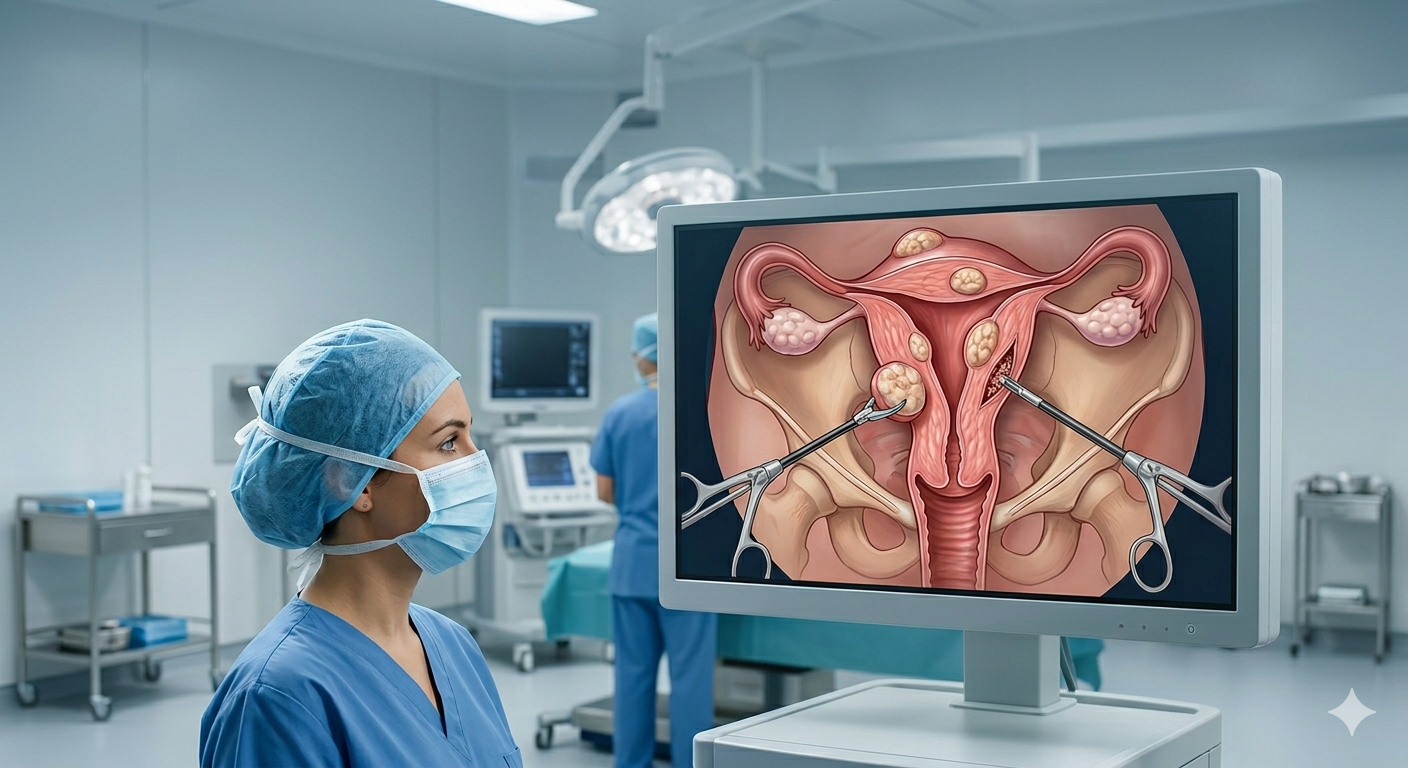
Laparoscopic Myomectomy is a minimally invasive surgical procedure performed to remove uterine fibroids while preserving the uterus. It is considered one of the best treatment options for women who wish to maintain fertility and plan pregnancy in the future. Fibroids are non-cancerous growths that develop in the uterus and may cause heavy bleeding, pelvic pain, infertility, and pressure symptoms.
At Dr. Rachana Agarwal, advanced laparoscopic techniques are used to safely remove fibroids with minimal discomfort, faster recovery, and preservation of reproductive health.
What is Laparoscopic Myomectomy?
- A minimally invasive surgery to remove fibroids without removing the uterus
- Recommended for women experiencing fibroid-related symptoms
- Helps preserve fertility and future pregnancy chances
- Suitable for selected fibroids depending on their size, number, and location
In some cases, if fibroids are very large, deeply embedded, or numerous, an abdominal myomectomy may be required instead of laparoscopic surgery.
How is a Laparoscopic Myomectomy Performed?
- The procedure is performed under general anaesthesia.
- Small incisions are made in the abdomen:
- One near the navel
- One below the bikini line
- One near each hip
- Carbon dioxide gas is used to gently inflate the abdomen for better visualization.
- A laparoscope (thin camera) is inserted through one incision.
- Specialized surgical instruments are inserted through the other incisions.
- Fibroids are carefully removed while preserving healthy uterine tissue.
- The uterine muscle is stitched back together.
- The gas is released and the small incisions are closed.
The surgery is usually completed within a few hours, and most patients stay in the hospital for one night.
Recovery After Surgery
- Faster recovery compared to open surgery
- Most women recover within two to four weeks
- Minimal scarring due to small incisions
- Reduced pain and blood loss
- Early return to normal daily activities
Preoperative Investigations
Before surgery, detailed evaluation is necessary, including:
- Medical history and symptom assessment
- Clinical examination
- Ultrasound scan to determine:
- Number of fibroids
- Size of fibroids
- Location of fibroids
- MRI scan may be advised in selected cases, especially when adenomyosis is suspected.
Preoperative Medical Treatment
In some patients, medications such as GnRH analogues may be recommended before surgery to:
- Shrink large fibroids
- Reduce blood loss during surgery
- Improve haemoglobin levels in anaemic patients
- Make laparoscopic surgery easier and safer
These medications may temporarily stop menstrual periods and can occasionally cause symptoms such as hot flashes or night sweats.
How are Fibroids Removed Through Small Incisions?
A specialized surgical device called a morcellator is used to divide the fibroid into smaller pieces, allowing safe removal through tiny incisions.
Benefits of Lap Myomectomy
- Uterus preservation
- Improved fertility outcomes
- Minimally invasive approach
- Smaller scars and quicker healing
- Reduced hospital stay
- Less post-operative discomfort
Women suffering from fibroids should seek timely evaluation and treatment to prevent complications and improve quality of life. Early management with laparoscopic myomectomy can provide effective symptom relief while preserving reproductive health.