

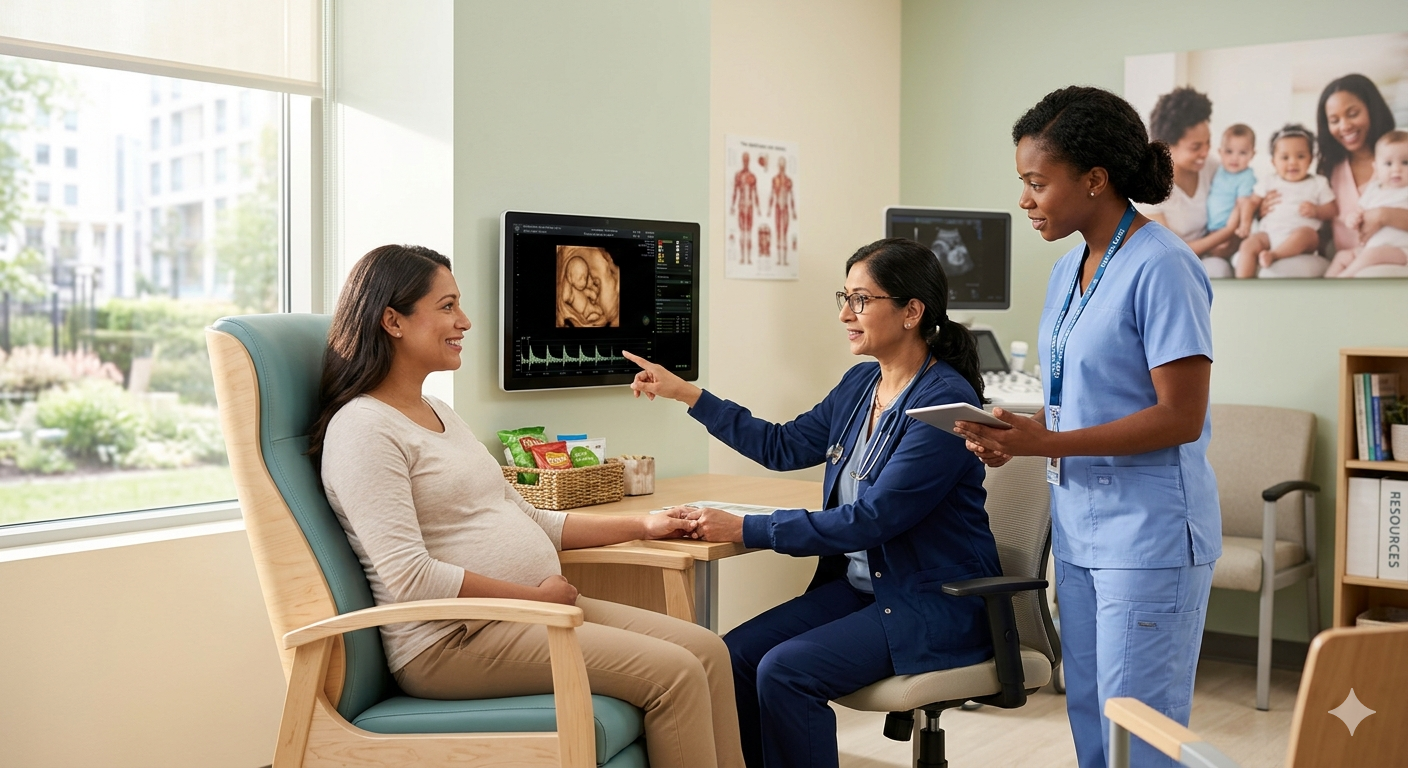
High-Risk Pregnancy Care
A high-risk pregnancy is one in which the mother, baby, or both may have an increased risk of health complications before, during, or after delivery. With proper monitoring, timely interventions, and expert medical care, most high-risk pregnancies can be managed successfully, resulting in a healthy mother and baby.
At Dr. Rachana Agarwal, comprehensive high-risk pregnancy care is provided with advanced monitoring, personalized treatment plans, and continuous support throughout the pregnancy journey.
What is a High-Risk Pregnancy?
A pregnancy may be considered high-risk when certain medical conditions, pregnancy-related complications, or maternal factors increase the likelihood of health concerns for the mother or baby.
Common Causes of High-Risk Pregnancy
Maternal Health Conditions
- High blood pressure (Hypertension)
- Diabetes before or during pregnancy
- Thyroid disorders
- Heart disease
- Kidney disease
- Autoimmune disorders
Pregnancy-Related Complications
- Gestational diabetes
- Preeclampsia
- Placenta previa
- Preterm labor
- Restricted fetal growth
- Excess or reduced amniotic fluid
- Multiple pregnancy (Twins or more)
Other Risk Factors
- Maternal age below 18 or above 35 years
- Previous miscarriage or pregnancy loss
- Previous Caesarean section
- History of preterm birth
- Obesity or underweight status
- Recurrent pregnancy complications
Symptoms That Require Immediate Medical Attention
- Vaginal bleeding
- Severe abdominal pain
- Persistent headaches
- Blurred vision
- Sudden swelling of hands, feet, or face
- Reduced fetal movements
- High fever
- Leakage of fluid from the vagina
High-Risk Pregnancy Monitoring
Regular monitoring helps identify complications early and ensures timely management.
Care May Include:
- Frequent antenatal check-ups
- Detailed ultrasound examinations
- Fetal growth and well-being assessments
- Blood pressure monitoring
- Blood sugar monitoring
- Laboratory investigations
- Doppler studies when required
- Non-stress tests (NST) and fetal surveillance
Management of High-Risk Pregnancy
Treatment depends on the underlying condition and may involve:
- Specialized medical supervision
- Nutritional and lifestyle counseling
- Medication management
- Close fetal monitoring
- Hospitalization when necessary
- Delivery planning based on maternal and fetal health
Benefits of Expert High-Risk Pregnancy Care
- Early detection of complications
- Improved maternal health outcomes
- Better fetal growth and development monitoring
- Reduced risk of pregnancy-related emergencies
- Safe labor and delivery planning
- Enhanced chances of a healthy pregnancy outcome
Delivery Planning
Depending on the mother's condition and baby's health, delivery may be planned through:
- Normal Vaginal Delivery, when safe and appropriate
- Assisted Delivery, if required
- Caesarean Section for selected medical indications
The goal is always to achieve the safest possible outcome for both mother and baby.